Navigating the AI Skills Transition
As AI reshapes knowledge work, most organisations lack a systematic way to determine which skills will be replaced, augmented, or remain durable, leaving employees unable to plan careers strategically, forcing reactive workforce reductions, and missing opportunities to redesign roles for greater value. Drawing on industry research, this white paper gives HR leaders a strategic framework and practical implementation guide, including how to classify every skill across a three-stage displacement spectrum.
The 118 partially augmentable skills represent the real planning challenge: potential capacity reductions of 20–40% in roles where these skills dominate, while the staff holding them may carry operationally critical evergreen knowledge.
All articles
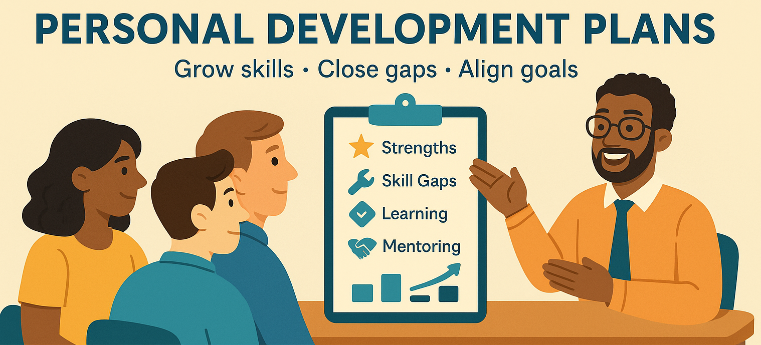
How to Create Effective Personal Development Plans (PDPs)
Best practices for developing Personal Development Plans that connect individual aspirations to organisational strategy, and get followed through.
Read →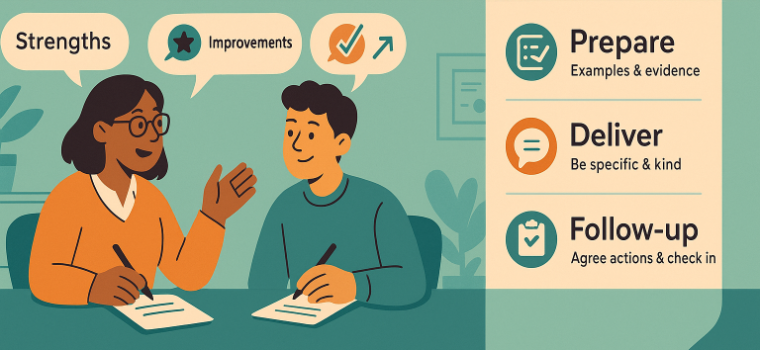
How to Provide Effective Feedback to Your Team: Best Practices for Managers
Best practice techniques for managers to deliver specific, constructive, skills-connected feedback that employees can act on.
Read →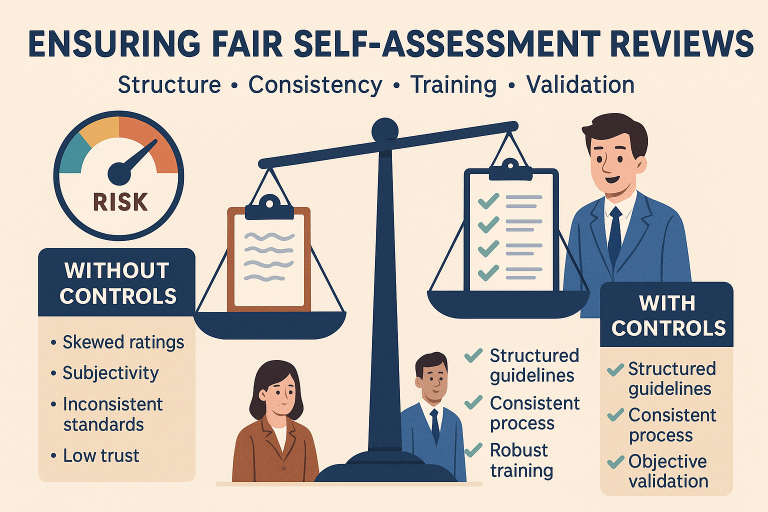
Ensuring Fairness in Self-Assessment Reviews
How to handle inconsistent proficiency interpretations, manage moderator bias, and build a fair, auditable self-assessment review process.
Read →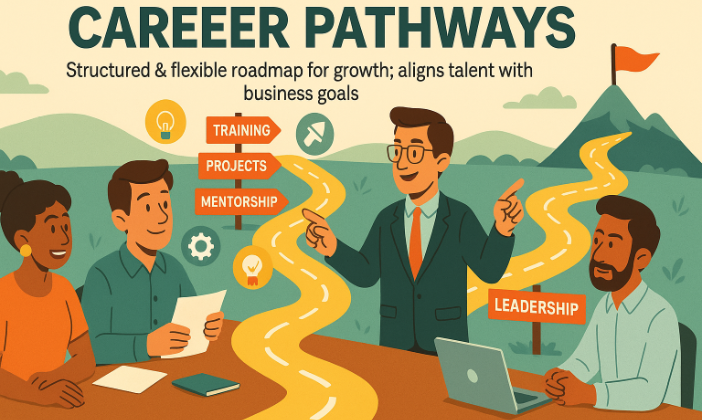
Career Pathways: Empowering Organisations and Staff to Grow and Develop
A structured yet flexible approach to professional development, offering employees a roadmap for growth while enabling organisations to align talent strategies with business objectives.
Read →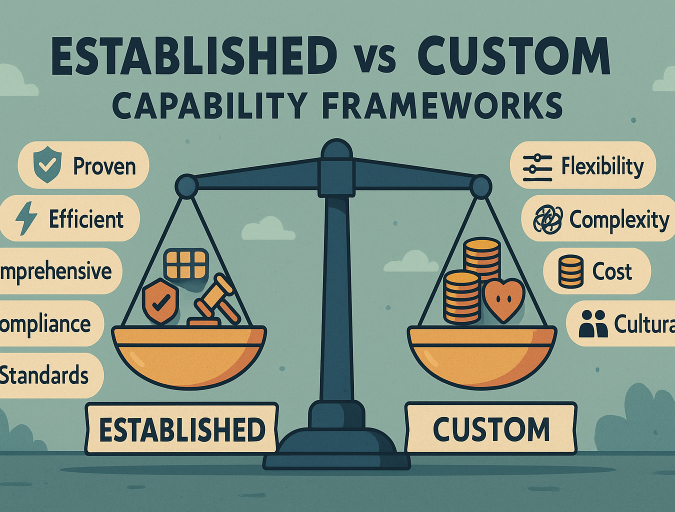
Use Established Frameworks or Build a Custom One?
When to use SFIA, DCF, APS, or other established frameworks versus building a custom one, and how to design a hybrid approach that works.
Read →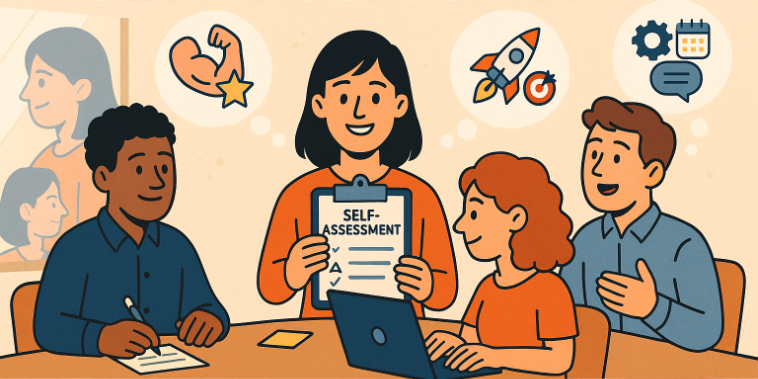
Why Self-Assessment with Moderation is the Most Efficient Way to Evaluate Skills
Why self-assessment combined with manager moderation produces more reliable skills data than external assessment alone, and how to implement it.
Read →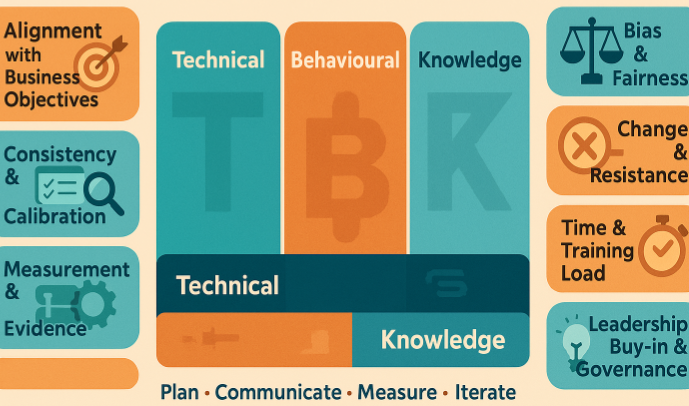
Common Challenges in TBK Implementation
Practical guidance on overcoming the most common obstacles when implementing a Technical, Behavioural, Knowledge competency framework.
Read →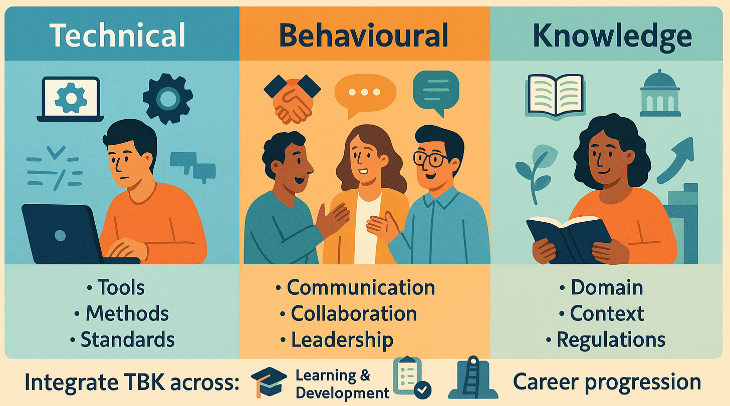
Using the Technical, Behavioural, Knowledge (TBK) Approach for Capability and Skill Development
How the TBK model helps organisations define competency expectations across career stages and functions, and how to apply it in practice.
Read →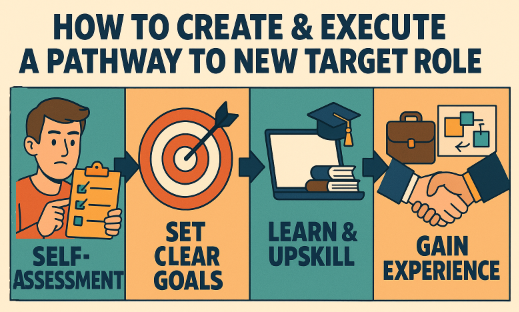
How to Create and Execute a Pathway to a New Target Role
A practical guide to mapping your current skills, identifying target roles, and building an actionable pathway to career transition.
Read →
How to Train Your Manager to Act as Moderators for Effective Skill Evaluation
A step-by-step guide to setting expectations, building calibration skills, and training managers to moderate self-assessments reliably.
Read →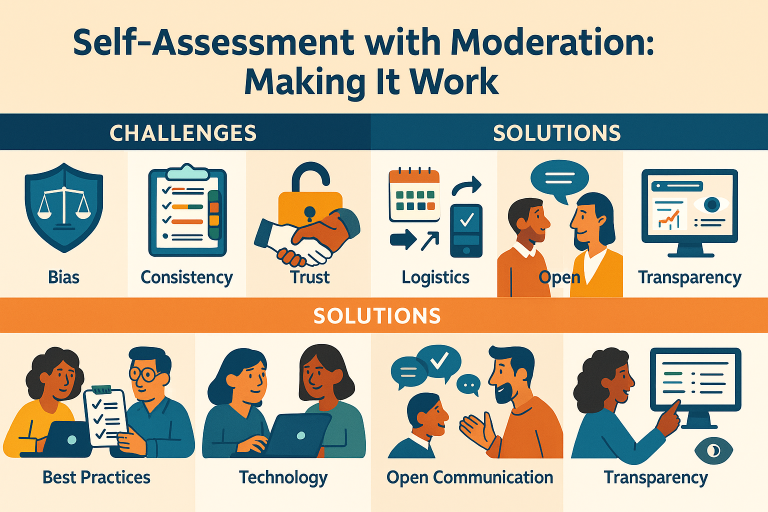
Challenges in Moderation of Self-Assessment and How to Address Them
Common biases in self-assessment (overconfidence, imposter syndrome, social desirability) and how to address each in the moderation process.
Read →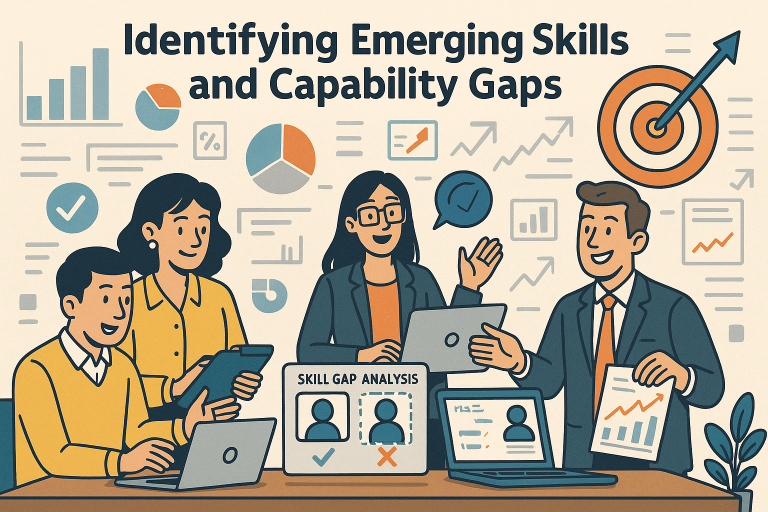
How to Identify and Address Skill and Capability Gaps in Your Organisation
How to gather workforce skills data, conduct gap analysis, and prioritise capability development initiatives across your organisation.
Read →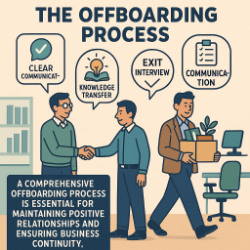
Offboarding
A structured approach to offboarding, from notice to knowledge transfer, that captures institutional intelligence before it walks out the door.
Read →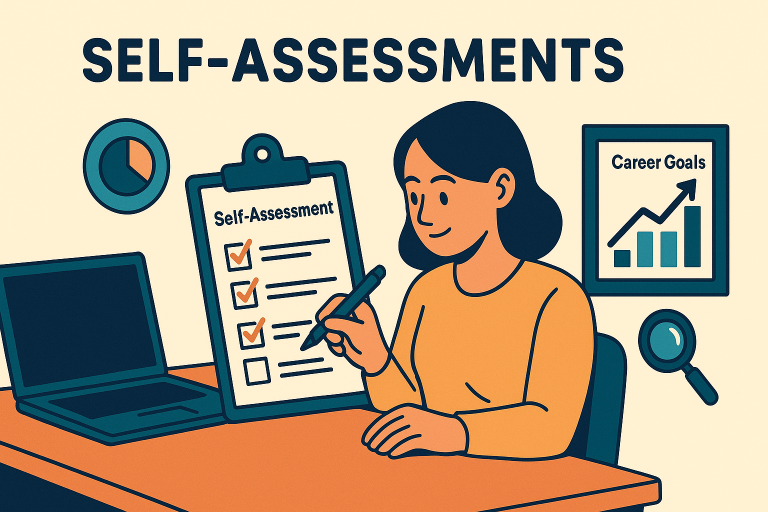
Mastering the Self-Assessment Process: A Guide to Evaluating Your Skills
A practical guide to reflecting on your skills relative to your role, rating proficiency accurately, and making the most of the self-assessment process.
Read →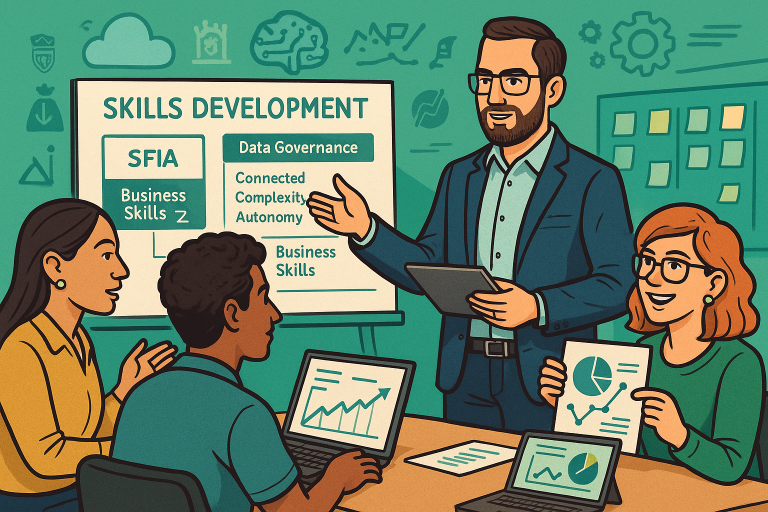
Risks in Upskilling Initiatives: What to Watch Out For and How to Mitigate Them
The most common failure modes in upskilling programmes (misaligned priorities, poor design, low engagement) and how to mitigate each.
Read →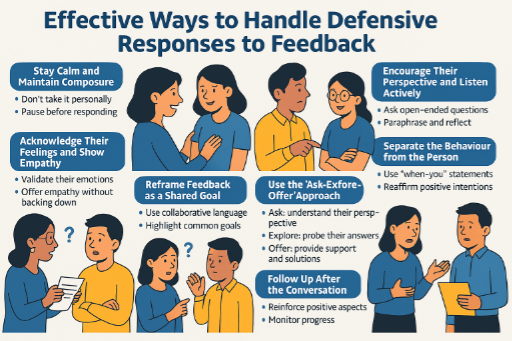
Effective Ways to Handle Defensive Responses to Feedback
Practical techniques for managers to de-escalate defensiveness in feedback conversations and guide employees toward constructive reflection.
Read →Key Strategies for Building an Effective Upskilling Program
How to design upskilling programs that align with business strategy, close real skill gaps, and maintain momentum over time.
Read →Employee Engagement
Why employees stay, what drives engagement, and the connection between engagement signals and skills development outcomes.
Read →Learning and Development
Aligning L&D initiatives with business goals, tailoring development opportunities to individual needs, and building a culture of continuous growth.
Read →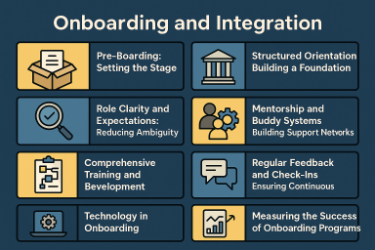
Onboarding and Integration
How structured onboarding acclimates new employees to culture, clarifies role expectations, and lays the foundation for long-term performance.
Read →Performance Management
Building a performance management culture that fosters accountability, continuous improvement, and meaningful connection between goals and outcomes.
Read →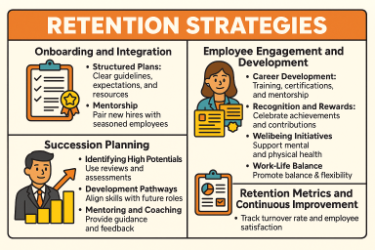
Retention Strategies
The talent lifecycle strategies, from onboarding through career pathways, that drive long-term employee retention and reduce regrettable attrition.
Read →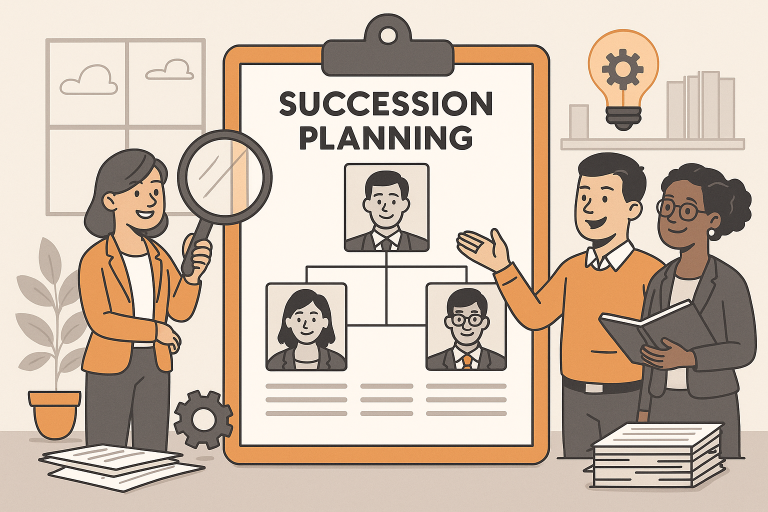
Succession Planning
How to identify critical roles, build talent pipelines, and future-proof your organisation against leadership gaps and institutional knowledge loss.
Read →
Technology as an Equaliser
How technology enables more equitable access to development and opportunity, and why strategic alignment matters more than the tools themselves.
Read →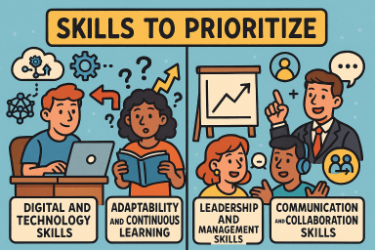
Which Skills to Prioritise in Upskilling Initiatives
A framework for prioritising skills development in an environment of rapid digital and AI-driven change: where to invest first and why.
Read →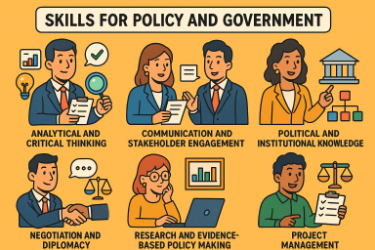
Key Skills for Success in Policy and Government Contexts
The core technical, behavioural, and knowledge skills for policy and government roles, mapped to the NZ Policy Skills Framework and Australian APS.
Read →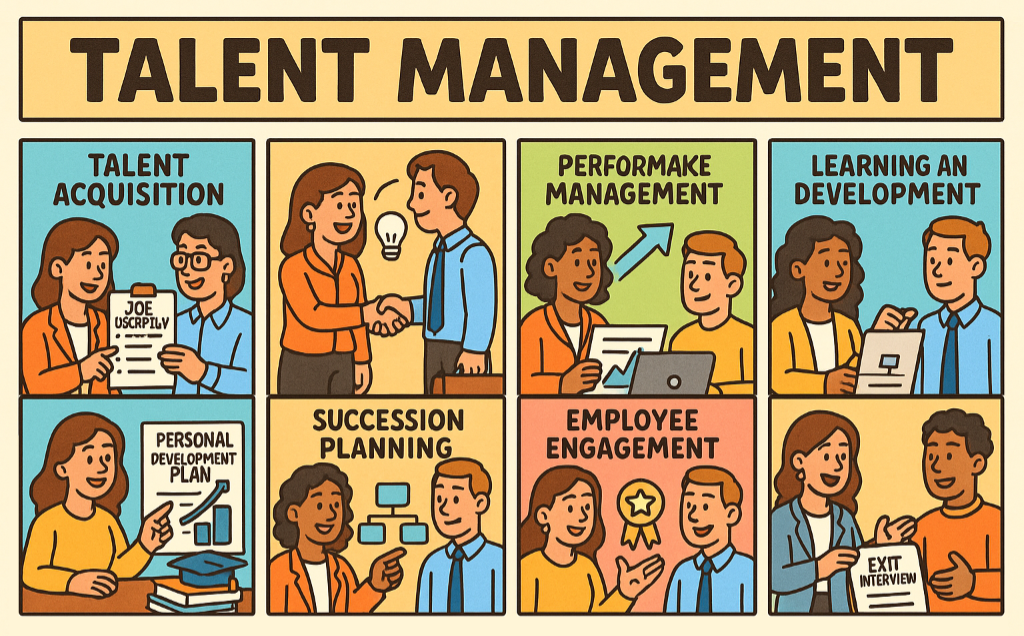
Delivering the Key Components of a Successful Talent Management Strategy
The core components of a successful talent management strategy: attraction, development, retention, and the skills infrastructure that connects them.
Read →
Skills-Based Talent Management Primer: A Guide to Attracting, Developing, and Retaining Top Talent
A comprehensive introduction to skills-based talent management: why it works, how to implement it, and what to expect from the transition.
Read →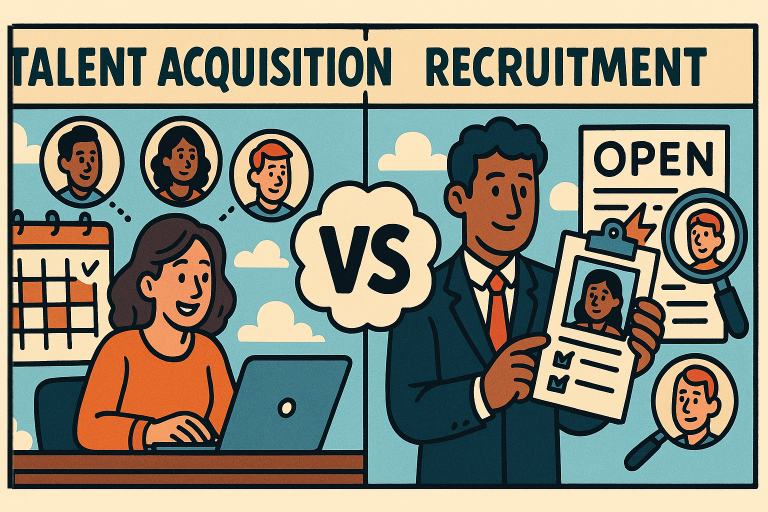
Talent Acquisition and Recruitment
The distinction between talent acquisition and recruitment, and why long-term workforce strategy requires treating them differently.
Read →
How TalentJam (and the book) Came About
The problem TalentJam was built to solve (the skills-employer mismatch) and the thinking behind the platform's approach to workforce intelligence.
Read →Skills Intelligence Quarterly
TalentJam's quarterly newsletter for workforce intelligence practitioners. Market signals, methodology updates, and practical guidance for building a skills-powered organisation.